
The Keno Lucky Numbers Myth: Signing Up Without the Superstition
Every second arvo at a Brisbane pub or RSL, you’ll hear someone swearing by their “lucky” keno numbers – the same set they’ve played for twenty years. The keno lucky numbers myth is one of the most persistent beliefs in Australian gaming culture, and a casino like https://luckyelfcas1no.com/ lets you register and try a few draws in your first session. Signing up is where the superstition meets the paperwork.
Where the Lucky Numbers Myth Comes From

The keno lucky numbers myth isn’t new. Keno itself dates back centuries, and players have long attached meaning to birthdates, anniversaries, and jersey numbers from their favourite Brisbane Broncos players. The belief persists because humans are wired to find patterns, even in pure chance.
A useful comparison: in 2003, amateur Chris Moneymaker won the WSOP Main Event after qualifying online for just $86. That result didn’t “prove” online poker works – it just showed variance can deliver anything. Keno works the same way. Every draw is independent, drawn from a random number generator, and no number is more likely to appear than another. A punter who has “never missed” their number in forty games has simply experienced a short-term cluster, not a pattern.
Crockfords in London, one of the world’s oldest private gaming clubs, has seen fortunes won on stranger streaks. The house doesn’t care which numbers you pick – the maths is the maths. If you reckon your numbers are lucky, fair enough, but understand the engine underneath doesn’t know or care.
Step-by-Step: Your First Sign-Up and Verification
Right, let’s walk through this like you’re helping a mate who’s never done it before.
Step one: eligibility. You must be 18 or over and an Australian resident. Offshore casinos operate under international licences, not ACMA, so you’re playing outside Australian regulation.
Step two: registration. Email, password, mobile, date of birth. Two minutes. Have your licence or passport ready.
Step three: verification. Newcomers defo don’t expect this part. The casino asks for a photo of your ID, a recent utility bill or bank statement, and sometimes a selfie holding the document. Processing takes two hours to two days. Skip it and your first withdrawal gets stuck.
Step four: first deposit. AUD is supported at most international keno sites, with minimums around $10 to $20. Pick card, Neosurf, or crypto, enter the amount, and confirm.
Step five: bonus activation. Opt in or enter a code during deposit, not after. Check wagering requirements, eligible games, and time limits. Keno often contributes less than slots toward wagering, so read the fine print.
Step six: first play. Pick numbers, set stake, confirm. No ritual required.
First Deposit, Bonus, and First Draw
Your first deposit kicks off the real session. Most international keno brands accept AUD with minimums from $10 to $20, and the cashier lists deposit methods in plain English – Visa, Mastercard, Neosurf, and sometimes Bitcoin or Ethereum. Conversion fees depend on your method, not the casino, so a local Aussie bank card often costs you nothing extra.
Bonus activation is where mug punters get caught. A “200% match up to $500” sounds defo generous, but the wagering requirement might be 40x the bonus. You’d need to wager $20,000 on eligible games before withdrawing bonus winnings. Keno frequently contributes 10% or less toward wagering, while slots contribute 100%. Always check the contribution table.
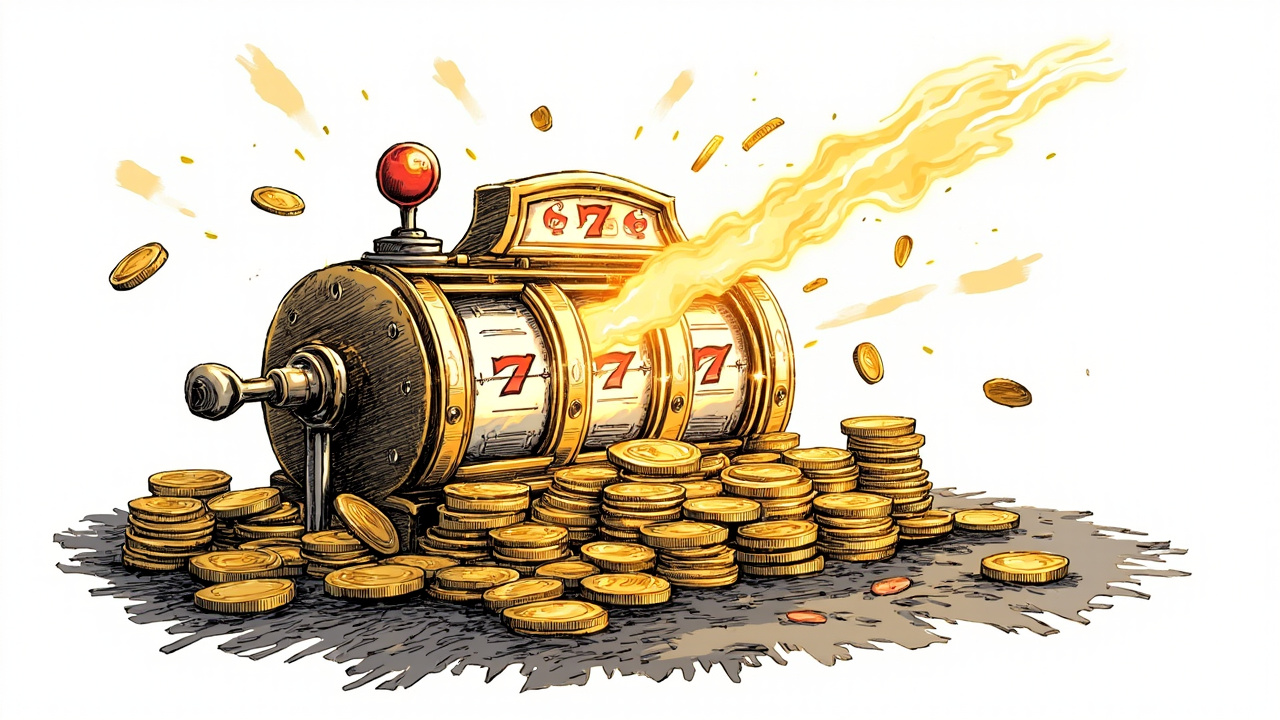
Once the bonus is locked in, choose 1 to 20 numbers (or 1-10, depending on the variant), set a stake, and pick how many consecutive games to play. Results come from a certified random number generator. Your “lucky” 7 has the same statistical chance as any other number on the board.
For more on game selection and bonuses, this guide on Keno games for Aussies covers variants and payout tables in detail.
Verdict: Who the Keno Lucky Numbers Myth Actually Suits
Here’s the honest assessment. If you’re a Brisbane player who treats keno as a bit of fun on a Saturday arvo and picks the same numbers every week, the lucky numbers tradition does no harm. The entertainment value is real, even if the statistical edge doesn’t change.
If you genuinely believe your numbers are “due” or that a hot number is more likely to hit, the myth will cost you clarity and bankroll. Keno’s house edge sits between 5% and 30% depending on the variant – among the steepest in any casino game. Superstition doesn’t shift that edge; it just adds a story.
From a reviewer’s standpoint, having worked through dozens of these first-session flows, the operators with clean cashier pages and transparent terms are usually the ones who verify faster. The brand matters less than your discipline. Registration, verification, and first-session setup are standard across international operators, and the real differences come down to bonus fairness, withdrawal speed, and RNG auditing. Choose on those terms, not on whether the site “feels” lucky.
Player-fit verdict: suited to adults who want a relaxed, ritualistic flutter with a strict budget. Not suited to anyone chasing a “due” win.
The keno lucky numbers myth survives because it gives players a sense of control over a random game, and there’s nothing wrong with that if you keep it light. Where it bites is when numbers become a system rather than a preference. Sign up, verify properly, set a budget, and treat your lucky seven like any other pick. That’s the only edge worth having.
Glossary
- RNG (Random Number Generator): The software that determines keno draw outcomes; certified independent testing confirms fairness.
- Wagering requirement: The multiple of a bonus you must bet before withdrawing winnings from it.
- House edge: The built-in mathematical advantage the casino holds on each keno variant, typically 5-30%.
- Mug punter: A naive or unlucky bettor who makes poor value decisions.
- ACMA: The Australian Communications and Media Authority, which regulates online gambling advertising locally but not offshore operators.