

Registering an account at an online gaming platform in Canada requires more than picking a username and password. The verification stage, often called Know Your Customer or KYC, acts as a necessary hurdle that differentiates casual sign-ups from fully active accounts. At Betninja Casino, this process adheres to federal anti-money laundering regulations and provincial gaming standards. Users who understand the required documents, typical delays, and safety logic move through the procedure more quickly and with fewer issues. The following sections detail exactly what happens during identity validation, why each step is important, and how to prepare materials before the first deposit attempt. A firm knowledge of these fundamentals protects both the operator and the account owner.
Safeguarding Personal Data During the Identity Check Cycle
Licensed Canadian-facing platforms operate under data protection duties that govern how identity documents are held, transmitted, and eventually purged. Encryption protocols shield uploads during transit, and at-rest files are stored in segregated storage vaults with strict access logging. Betninja Casino uses a privacy-by-design architecture where verification data travels through isolated processing nodes before the raw document images are transferred to long-term encrypted archives. Players should refrain from sending sensitive documents through unencrypted email channels or messaging apps, as these methods are missing the contractual security guarantees integrated into the platform’s upload portal. Any request for documents via social media direct message is a fraudulent attempt and should be flagged immediately. Legitimate verification communications always derive from the domain registered to the official casino website and never ask for full credit card front scans or banking passwords.
How Verification Functions in the Canadian Gaming Gambling Space
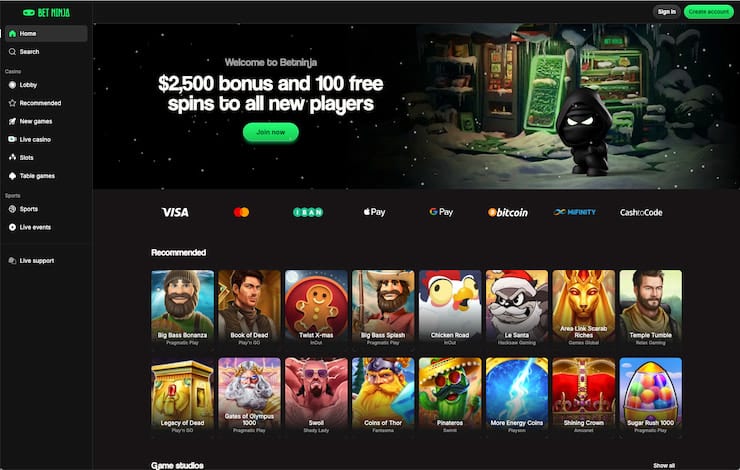
Regulatory bodies across Ontario, British Columbia, and other provinces impose strict player identification mandates on licensed operators. The Proceeds of Crime (Money Laundering) and Terrorist Financing Act establishes the federal baseline, while provincial lottery and gaming commissions apply layers specific to interactive digital wagering. These frameworks compel sites like Betninja Casino to collect proof of identity, age, and residency before approving withdrawals. The goal is certainly not to inconvenience legitimate users but to stop underage participation, stop fraudulent transactions, and guarantee that funds do not come from illicit sources. When a player provides a government-issued photo ID, the system verifies personal details against third-party databases. This automated screening takes place within minutes and seldom interrupts the gaming session itself. Grasping this background transforms a seemingly bureaucratic hurdle into a shared industry safeguard.
Creating a Betninja Casino Account the Right Way
Correctness during the initial registration phase eliminates nearly half of all verification rejections. The sign-up form requests the exact legal name displayed on the identification document that will later be submitted. Shortened names, shortened versions, or anglicized adaptations create mismatches that trigger manual reviews. Canadian players should enter a permanent residential address that matches bank statements or utility records, not a temporary mailing address or workplace location. The phone number field takes standard ten-digit North American numbers and should be active for potential SMS confirmation codes. Choosing a strong password with a mix of upper and lowercase letters, numbers, and symbols adds a foundational layer of account protection. After submitting the form, the platform transmits an email containing a confirmation link that must be clicked within a specified timeframe to activate the profile.
Configuring Multi-Factor Authentication
Safety-minded players often enable an additional verification method immediately after account creation. Multi-factor authentication, or MFA, links the login process to a physical device through authenticator applications or time-sensitive SMS codes. This step stays optional at Betninja Casino, but it drastically reduces the chance of unauthorized access even if the primary password becomes compromised. A lost phone scenario can be handled through backup recovery codes issued during setup, which should be stored offline in a secure location. MFA does not take the place of the identity verification for withdrawals; it works as a login-specific shield. Canadian users who travel frequently benefit from the adaptive risk engine that may prompt for a second factor when logging in from an unfamiliar IP address or geographic region.
Primary Documents Mandatory for ID Validation
The standard document bundle includes three categories: picture identity, proof of location, and occasionally payment method verification. A valid provincial driver’s license, Canadian passport, or government-issued photo card meets the photo ID requirement. The document must be valid, with clearly visible borders, and all four edges included in the uploaded image. Expired identification cards undergo automatic rejection no matter of how recently they ended. Verification of address commonly originates from a utility bill, bank statement, or official government correspondence issued within the preceding three months. Digital statements are admissible provided they show the full URL or sender information in the image. Players paying via credit card may require to submit a blurred picture indicating only the last four digits, the name, and the expiration date.
Evidence of Address Details for Canadian Citizens
Utility providers such as Hydro One, BC Hydro, or Enbridge generate statements that act as perfect residency evidence. The document must display the service address corresponding with the registered account details and a date mark within the valid window. Mobile phone bills are generally recognized, but prepaid plan invoices may be declined due to insufficient personal data areas. Canadian members using digital banking can download PDF files of monthly statements right from their financial institution’s platform, making sure the file includes the institution’s logo and the account holder’s identity beside the residential place. Screenshots of online banking dashboards often get refused because they are missing the formal letterhead or structured format that verification teams require. Printing out and digitizing a physical copy usually fixes clarity concerns if mobile submissions appear unclear or cropped.
Managing Re-Verification Triggers and Continuous Compliance
Account verification is not a single occurrence the initial sign-up period. Significant account changes, such as changing the linked email address, altering the default currency, or connecting a new withdrawal method, often re-engage the compliance workflow. Canadian players who change their residential address after moving provinces may be obliged to resubmit a fresh proof of address document indicating the new location. Large cumulative withdrawal amounts exceeding predefined risk thresholds can prompt an enhanced due diligence review, notably when the transaction patterns deviate from the player’s established behavior. Betninja Casino alerts affected users through the account message center well before placing any restrictions, allowing time to gather and submit the requested materials. Proactively updating documentation when life circumstances change ensures the account in continuous good standing and avoids surprise verification holds during time-sensitive withdrawal requests.
Frequent Reasons for Identity Check Delays and Rejections
Fuzzy photographs stay the most common cause of document rejection across all age groups. Even small hand movement during capture reduces the fine print on driver’s licenses enough to confuse optical recognition software. Name mismatches between the registration form and the identity document, including middle name omissions or hyphenation differences, flag the account for manual check. Address differences occur when players just relocated and have not updated either their government ID or their utility accounts. Canadian seasonal residents who split time between provinces sometimes submit documents bearing an address that differs from the one listed during sign-up, which creates a compliance problem. Payment method verification issues surface when e-wallet accounts such as MuchBetter or Interac-linked profiles are registered under a different name than the casino profile. Fixing these problems typically requires a direct email to the support team with corrected documents.
Ways to Handle a Failed Submission Gracefully
Getting a rejection notice leads to understandable annoyance, yet an objective approach spares time and reduces subsequent mistakes https://betninja-casino.ca/login/. The notification email indicates the exact document category that did not pass and often includes a brief reason code. A player should open the original image file on a desktop computer to inspect clarity at full resolution before recapturing. Modifying ambient lighting by moving to a room with indirect natural illumination eliminates harsh shadows without creating reflective hot spots on laminated ID surfaces. When the issue involves an address mismatch, uploading a secondary supporting document such as a bank-issued mortgage statement or a provincial vehicle registration certificate can bridge the credibility shortfall. Support agents at Betninja Casino react with precise checklists tailored to the rejection reason, making follow-up submissions significantly easier than the initial submission.
Step-by-Step Document Upload Process
The upload interface at Betninja Casino walks users through each document category with labeled fields and accepted format indicators. After logging in and heading to the verification section, a player selects the document type from a dropdown menu before attaching the file. JPEG and PNG formats deliver the most reliable results, while PDF uploads operate for multi-page statements but may trigger a size warning when exceeding ten megabytes. The platform automatically declines files with obvious editing artifacts, watermarks that obscure information, or reflective glare across critical data fields. Once uploaded, an automated optical character recognition engine reads the name, date of birth, and document number for comparison against the registration details. The system may request a real-time selfie if the photo ID image quality falls below the confidence threshold, a practice increasingly common among Canadian-facing operators.
- Access and open the account verification center from the dashboard menu.
- Select the document category: photo ID, address proof, or payment confirmation.
- Snap a well-lit image showing the entire document with no cropping of edges.
- Add the file using the designated upload button and confirm the submission.
- Wait for the automated review; check email or SMS for any additional information requests.
- Respond to clarification queries within the requested timeframe to avoid an escalated hold.
Building a Safe Gaming Setup Through Validation
The identity confirmation process also supports Canada’s growing emphasis on safe gambling infrastructure. Confirmed accounts provide customized deposit limit options, self-exclusion countdowns, and reality check notifications adjusted to the confirmed time zone. When a player requests a cooling-off phase, the platform can implement the restriction across associated accounts identified through validated personal data elements, avoiding easy circumvention via alternate registrations. Financial vulnerability markers become usable when combined with a verified identity, allowing the operator’s player protection team to intervene with personalized support assistance before problematic patterns escalate. This integration of compliance and player welfare produces a twofold benefit from a one verification step. The data never leaves the controlled Canadian ecosystem, remaining within servers governed by provincial oversight and traceable privacy structures that emphasize user protection over commercial convenience.
After-Verification Perks and Profile Independence
Clearing the verification stage enables the entire range of account capabilities that remain limited for unconfirmed accounts. Cashout handling times decrease from manual review lines to standard processing periods, often finalizing within 24 to 72 hours depending on the payment method chosen. Deposit limits typically expand, and entry to top-tier promotional bonuses, tournament spots, and loyalty tier accelerators opens instantly. Members who complete verification early in their customer journey avoid the jarring interruption of a withdrawal block after a significant win, a situation that creates the majority of complaint reports across the Canadian market. The verified badge on the account dashboard demonstrates trust to the platform’s compliance staff and communicates that future activities will encounter minimal friction. Updating correct contact information post-verification makes sure that any periodic re-verification notices arrive at the correct inbox without triggering unnecessary security freezes.
FAQ
How much time does a standard verification review usually require?
When submitted documents are clear and fully legible, automated reviews frequently finish in five to fifteen minutes. Manual reviews caused by mismatched information or borderline image quality may prolong the process to between twenty-four and forty-eight hours. Busy periods near major sporting events or holiday weekends occasionally introduce a minor processing delay. Canadian players can monitor the status directly from their account dashboard without needing to contact support for standard updates. broken down
Am I allowed to use a health card for my primary photo identification?
Provincial health cards create compliance issues since some provinces legally limit their collection and storage by non-healthcare organizations. Ontario, for instance, discourages businesses from asking for or recording health card numbers. A driver’s license, provincial photo ID card, or Canadian passport provides a widely accepted alternative that sidesteps regulatory uncertainty. Betninja Casino recommends selecting a document explicitly permitted under federal privacy guidance to ensure a smooth verification experience.
What occurs if my address does not match the one on my bank statement?
A mismatch between the address on file and the banking address leads to an instant verification failure. Players who maintain separate mailing and residential addresses should make sure the gaming account uses the residential address that is shown on authorized financial documents. Modifying the address straight within the banking portal before generating a fresh statement resolves the discrepancy cleanly. Sending a additional utility bill with the correct residential address can also clarify the situation during a manual review.
Is a selfie mandatory during the verification process?
A real-time selfie is not compulsory in all cases but may be requested when the automated system cannot accurately match the submitted photo ID to the account holder. This biometric liveness check includes capturing an image through the device camera while obeying on-screen positioning prompts. The selfie session normally continues for under one minute and helps stopping identity theft using stolen document images. Rejecting the selfie request halts the verification until other proof can be submitted.
Can you finish verification using a mobile device exclusively?
Mobile verification works consistently when handsets feature a high-quality rear camera and a stable internet connection. The key challenge involves capturing the whole document within the frame without clipping corners, as mobile uploads sometimes autocrop aggressively. Daylight near a window produces improved results than artificial indoor bulbs when photographing glossy IDs. Both Android and iOS devices are compatible with the upload portal without demanding a separate application installation for the usual document submission workflow.
How is my identity document kept and protected?
Uploaded files move via encrypted TLS connections and are stored in segregated cloud storage environments subject to Canadian data residency requirements. Access to raw document images is restricted to authorized compliance personnel whose every interaction is recorded and reviewed. Encryption keys change periodically to minimize exposure risk, and retention policies comply with provincial regulations that define maximum storage durations after account closure. The processing architecture isolates identity data from behavioral gaming analytics, securing a strong privacy boundary between verification and marketing systems.
How should I proceed if I think fraudulent document requests?
Deceptive requests often appear through unofficial channels like social media messages or email addresses that copy the brand but contain subtle spelling variations. give it a read A legitimate platform never demands full credit card front scans or account passwords during verification. Canadian players should send suspicious communications to the official support team for investigation and avoid clicking any embedded links. Enabling multi-factor authentication adds an extra barrier that makes credential theft less damaging even if a phishing attempt captures the primary login password.
The verification journey at a regulated Canadian gaming site converts what initially appears as a procedural inconvenience into a structured security framework. Players who prepare legible documents, align their registration details with official records, and respond promptly to clarification requests complete the process with minimal disruption. The resulting verified status provides faster withdrawals, broader account functionality, and strengthened protections that benefit both the individual and the wider gaming community operating under Canadian oversight standards.